Water Damage Guide
What to Do After a Basement Flood in Kansas City
A flooded basement is first a safety problem, then a water-removal and drying problem. The source and water type matter: a clean supply-line leak, storm intrusion, and sewage backup do not call for the same response.
Quick answer
Do not enter standing water until electrical and structural hazards are addressed. If it is safe, stop the source, document the damage, protect unaffected areas, and begin professional extraction and drying as quickly as practical.
Do not enter until the space is safe
Water and electricity are a dangerous combination. Standing water can reach outlets, appliances, extension cords, panels, and damaged wiring that you cannot see. If electricity has not been safely shut off or you are uncertain, stay out and contact the utility, emergency services, or a qualified electrician as appropriate.
Also watch for sagging ceilings, cracked walls or foundations, shifting stairs, gas odors, sewage, chemical containers, broken glass, and slippery surfaces. The EPA's flooded-home reentry guidance warns that wet outlets can create shock hazards and recommends protective clothing once entry is safe.
The source determines the response
A broken clean-water supply line, water entering through a foundation after heavy rain, a failed sump pump, an appliance leak, and a sewer backup are not equivalent. Water can become more contaminated as it contacts soil, drains, chemicals, building materials, or stored contents.
If it can be done safely, stop a supply-line source at the proper shutoff or contact the responsible utility or plumber. Do not wade through water to reach equipment. For storm or drainage problems, extraction may need to wait until active entry slows enough for removal and drying to make progress.
Document the damage before cleanup changes the scene
From a safe location, take wide photos and video of the affected rooms, the apparent source, water line, damaged contents, flooring, walls, and mechanical equipment. Record when the water was first noticed and any steps already taken.
Contact the property owner, landlord, property manager, and insurer as applicable. Ask what documentation they require and whether emergency work can begin immediately. Do not delay necessary life-safety action just to gather better pictures.
- Address, contact information, and access instructions.
- Likely source and whether the water may contain sewage or chemicals.
- Approximate depth, square footage, and rooms affected.
- When the loss began and whether water is still entering.
- Electrical status, HVAC involvement, and any structural concerns.
Extraction is only the first step
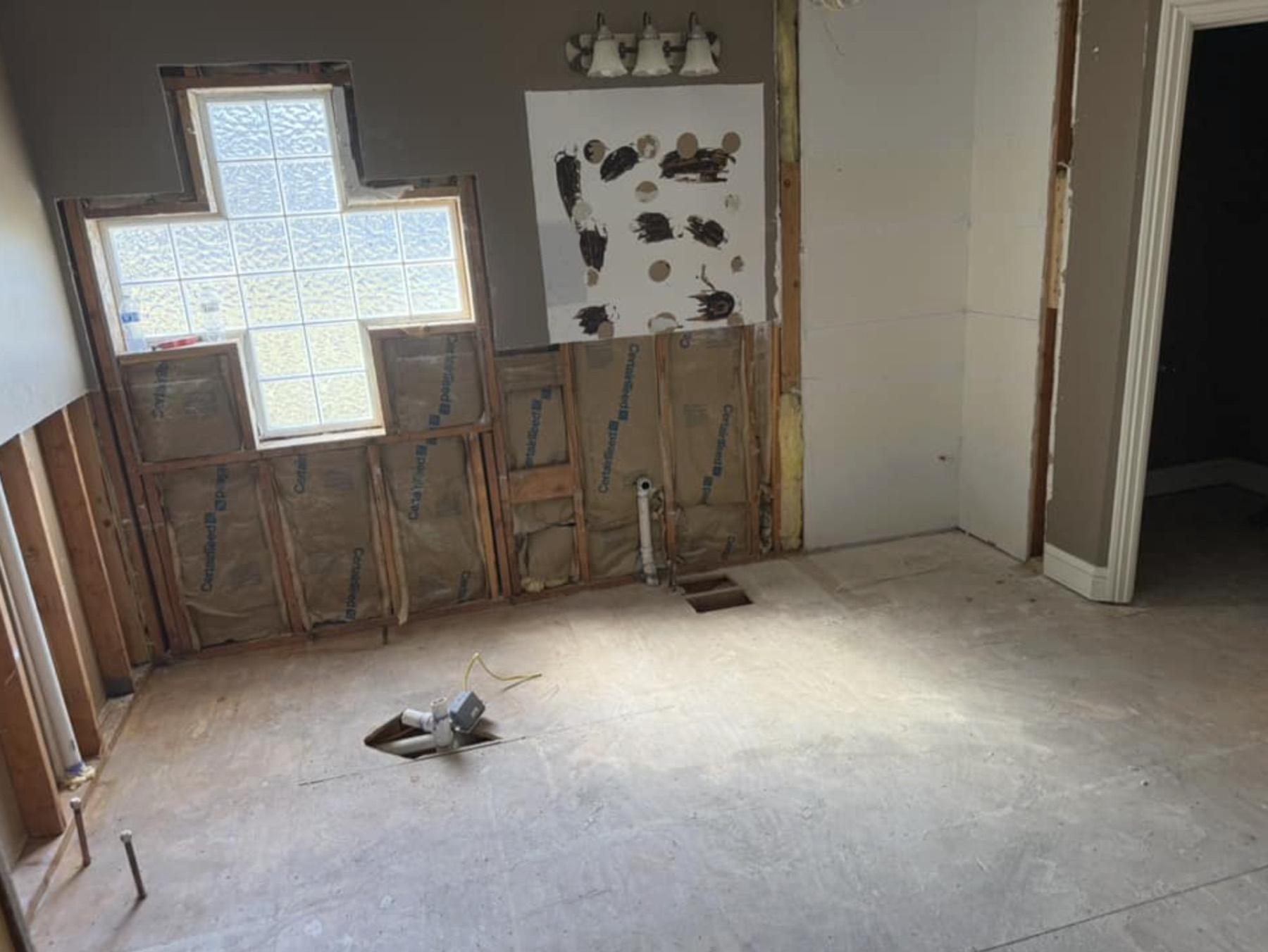
Removing visible water does not mean the structure is dry. Water can remain in carpet pad, wall cavities, insulation, subfloors, sill plates, cabinets, and stored contents. A mitigation plan may include extraction, controlled material removal, air movement, dehumidification, moisture measurements, and repeated monitoring.
EPA guidance says wet materials should be dried as quickly as possible, generally within 24 to 48 hours when conditions allow, because prolonged moisture supports mold growth. Its flood cleanup guidance also notes that flood water may contain bacteria, chemicals, or other hazards and that materials that cannot be cleaned and dried may need to be discarded.
Do not automatically turn on the HVAC system or place fans in contaminated areas. Air movement can spread contaminants. The water source, electrical safety, affected materials, and clean/dirty work zones should guide equipment decisions.
Some materials can dry; others may need removal
Hard, nonporous surfaces may be cleanable depending on the water source and condition. Porous contents and assemblies—such as carpet pad, insulation, paper-faced drywall, ceiling tile, upholstered furniture, and composite wood—can hold water and contamination where surface drying does not reach.
The decision to clean, dry, or remove material should account for contamination, how long it remained wet, whether it can be accessed, and whether it can be verified dry. Older buildings may also contain lead-based paint or asbestos-containing materials that need appropriate evaluation before disturbance.
Kidd's Clean Up can coordinate water extraction, basement water cleanup, damaged-material removal, and basement contents cleanout within an agreed scope.
What to report when you call for help
- Give the address and the safest way to reach the property.
- Describe the likely source and whether water is still entering.
- Say whether sewage, fuel, chemicals, or other contaminants may be present.
- Report the approximate depth and affected rooms.
- State whether electricity is off and who made that determination.
- Share photos only when they can be taken safely.
Visit Kansas City water mitigation for service details. For a burst supply line, see burst-pipe cleanup; for a broader event, see flood cleanup and water-damage cleanup.
Get a clear next step
Need help with the actual project?
Send the address, a short description, and clear photos. Kidd's Clean Up can review the scope and help you plan the next step across the Kansas City metro.
Frequently Asked Questions
Practical answers related to Kansas City water mitigation across the Kansas City metro.
Is it safe to walk into a flooded basement?
Standing water can create electrical, contamination, slip, and structural hazards. Do not enter until you are confident electricity is off and the space is safe. Contact emergency services or qualified professionals when conditions are uncertain.
How quickly should wet materials be dried?
EPA guidance emphasizes drying wet materials as quickly as possible and generally within 24 to 48 hours when conditions allow. Contaminated water and extensive damage can require professional removal and cleaning instead of simple drying.
Should I turn on fans after a basement flood?
Not automatically. Electricity must be safe, and moving air can spread contaminants from sewage, mold, or damaged materials. The source and contamination level should be understood before using fans or the HVAC system.
What should I tell a water mitigation company?
Share the address, likely source, estimated depth and affected area, when the water started, whether it may contain sewage or chemicals, whether power is off, and photos taken from a safe location.
Keep planning
Related Kansas City guides
September 2026 Storm Update
Kansas City Storm Debris Cleanup: KCK Deadline and Disposal Options
KCK storm debris guidance for the September 8 curb deadline, safe sorting, local disposal options, and professional Kansas City haul-away.
Junk Removal Guide
How Much Does Junk Removal Cost in Kansas City?
Learn what affects junk removal cost in Kansas City, how jobs are scoped, and what details help you get a clearer haul-away quote.
Local Disposal Guide
How to Get Rid of Bulky Items in Kansas City
Compare Kansas City options for furniture, mattress, appliance, and hot-tub disposal, from donation and city pickup to full-service removal.
Demolition Planning Guide
What Affects Demolition Cost in Kansas City?
Plan a Kansas City demolition estimate with the major cost factors, common project types, permit questions, and a complete bid checklist.
Cleanout Checklist
How to Plan a Garage Cleanout in Kansas City
Use this Kansas City garage cleanout checklist to compare DIY and full-service removal, understand quote factors, and prepare for pickup.